
How to Protect Your Business from Modern Phishing Email Attacks

Phishing emails have changed dramatically over the past few years. The obvious scam messages promising lottery winnings or fake inheritances have largely disappeared, replaced by highly convincing emails that are carefully designed to look legitimate. Today’s cybercriminals take the time to research businesses, mimic trusted contacts, and create messages that are difficult to distinguish from genuine communications.
During his interview, Matt explained that “Gone are the days of the obvious ‘click on your fortune’ emails.” Instead, businesses are facing sophisticated phishing attacks that use spoofed email addresses, professional signatures, and familiar branding to trick employees into revealing sensitive information or opening malicious files.
For small and medium-sized businesses, these attacks represent one of the biggest cybersecurity threats. Protecting your organization requires more than spam filters it requires employee education, proactive IT management, and a security-first mindset.
Today’s Phishing Emails Don’t Look Like Scams Anymore
Many people still picture phishing emails as messages full of spelling mistakes and unrealistic promises. While those scams still exist, they’re no longer the primary tactic used against businesses.
Matt explained that modern phishing emails are carefully crafted to appear authentic. Attackers know that obvious scams are easy to ignore, so they invest time creating emails that resemble normal business communication.
Criminals Copy Real Business Communications
Today’s phishing emails often include company logos, employee signatures, email formatting, and writing styles that closely resemble legitimate messages.
A business owner or employee may receive an email that appears to come from:
- A customer requesting an updated proposal.
- A vendor sending a revised invoice.
- An accountant requesting financial documents.
- A coworker sharing an important file.
Because these emails look genuine, recipients are far more likely to trust them.
Matt emphasized that attackers want employees to believe they’re communicating with someone they already know. That familiarity is what makes modern phishing campaigns so successful.
Why Traditional Warning Signs Are Disappearing
Years ago, employees could often identify phishing emails by poor grammar, strange wording, or suspicious links.
Today’s attackers use better tools, stolen branding, and detailed research to eliminate many of those obvious warning signs.
Instead of relying on poorly written emails, criminals create messages that blend into everyday business communication. This makes it much harder for employees to recognize suspicious activity without proper cybersecurity training.
Why Spoofed Emails Fool Even Experienced Employees
One of the biggest challenges Matt discussed is email spoofing.
Cybercriminals no longer need to hack an employee’s email account to create convincing messages. Instead, they can make emails appear as though they came directly from someone the recipient already trusts.
What Is Email Spoofing?
Email spoofing is a technique that allows attackers to disguise the sender’s address so it appears to come from a legitimate person or company.
Matt explained that these emails often include:
- Matching email signatures.
- Company branding.
- Familiar names.
- Similar-looking email addresses.
- Professional formatting.
At first glance, everything appears legitimate.
Employees may only notice subtle differences in the sender’s address or no obvious differences at all making spoofed emails one of today’s most effective attack methods.
Why Businesses Should Never Assume an Email Is Genuine
Because spoofed emails can look authentic, employees should avoid assuming every message is safe simply because it appears to come from a familiar contact.
Matt explained that many clients reach out whenever they receive a suspicious email. Rather than taking unnecessary risks, they ask the IT team to verify whether the email is legitimate or whether it has been spoofed.
That extra step often prevents businesses from opening malicious attachments or responding to fraudulent requests.
When employees know they have an experienced IT partner available to verify suspicious communications, they’re far less likely to become victims of phishing attacks.
Professional IT Support Adds Another Layer of Protection
Technology can filter many unwanted emails, but no security solution can stop every phishing attempt.
That’s why Matt believes businesses should combine technical security with expert support. Having an experienced IT provider who can investigate suspicious emails gives businesses another layer of protection when employees are unsure whether a message can be trusted.
Cybercriminals Spend Months Learning About Your Business
One of the most surprising facts Matt shared during the interview is that phishing attacks rarely happen overnight.
According to Matt, the average amount of time attackers spend gaining access to a business system before launching a cyberattack is approximately 120 days.
Rather than immediately stealing money or encrypting files, attackers often remain hidden while they study how the business operates.
They Want Information Before They Want Money
Matt explained that criminals spend those months collecting valuable business information that helps them create more convincing scams.
Their goal is to gain access to:
- Email conversations.
- Shared drives.
- Customer information.
- CPA contacts.
- Banking information.
- Internal business documents.
- Client lists.
By quietly observing daily operations, attackers learn who approves invoices, how employees communicate, and which customers regularly make payments.
The more information they collect, the easier it becomes to impersonate the business without raising suspicion.
Every Email Conversation Can Become a Weapon
Matt explained that once criminals understand how your business communicates, they begin using that information against you.
They know which employees work with certain customers, how invoices are formatted, and what language is commonly used in emails.
As a result, phishing messages become far more convincing because they’re based on real business conversations rather than generic scams.
This is one of the reasons modern phishing attacks are so successful. Instead of guessing, criminals take the time to understand your business before launching their attack.
By the time a suspicious email arrives, the attacker may have already spent months learning how your organization operates, making vigilance and proactive cybersecurity essential for every business.
Fake Invoices and Updated Proposals Are Common Attack Methods
Once cybercriminals understand how a business operates, they begin using that knowledge to trick employees into taking action. Instead of sending random scam emails, they create messages that fit naturally into your daily workflow.
Matt explained that one of the most common tactics today involves sending an “updated proposal” or an email asking the recipient to “click here” to review a revised document. These messages often include an attachment that appears to be a PDF or business document but is actually infected with malicious software.
Because the email references real projects or familiar business activities, employees are much more likely to trust it.
Why Infected PDF Attachments Are So Effective
PDF files are widely used in business for contracts, invoices, proposals, and reports. Cybercriminals take advantage of that familiarity by disguising malicious files as legitimate business documents.
An employee may believe they are opening an updated proposal from a client or vendor when, in reality, they are installing malware or giving attackers access to the company’s systems.
Matt emphasized that businesses should never assume an attachment is safe simply because it looks professional. If an unexpected document arrives—even from someone you recognize—it is always worth verifying before opening it.
Attackers Look for Businesses with Weak Security
Matt also pointed out that cybercriminals often evaluate a company’s defenses before launching a larger attack.
If they encounter strong security measures, they may decide the effort isn’t worthwhile and move on to an easier target. However, when they identify businesses with limited protection or little employee awareness, they are far more likely to continue their attack.
This highlights an important reality: strong cybersecurity doesn’t just help stop attacks—it can also discourage attackers from targeting your business in the first place.
What Happens After Criminals Gain Access to Your Email
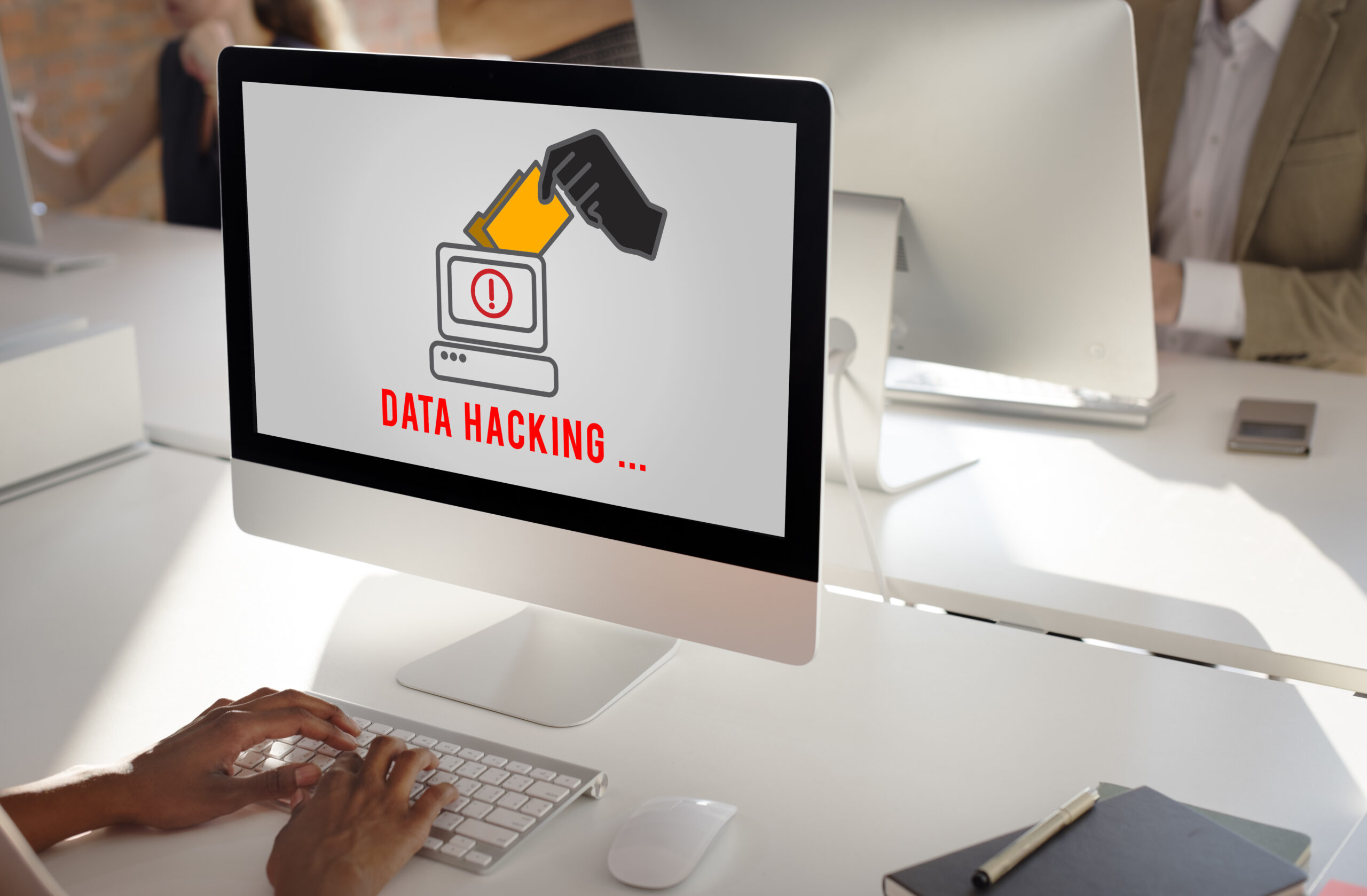
For many businesses, the real damage begins after attackers successfully access an email account.
Matt explained that criminals don’t simply read messages—they use the information they gather to expand the attack and increase their financial gain.
They Use Your Own Information Against You
Once inside a business email account, attackers can review months of conversations, identify trusted customers, study payment processes, and understand how employees communicate.
They may then:
- Send fake invoices to customers.
- Request fraudulent wire transfers.
- Pretend to be company executives.
- Contact vendors using compromised accounts.
- Target clients with larger financial resources.
Because these emails come from legitimate accounts or closely resemble legitimate communications, recipients often don’t realize they’re being deceived.
Every Contact Can Become a Target
Matt also explained that attackers may automatically send phishing emails to everyone the compromised account has ever contacted.
This allows criminals to spread their attack quickly while taking advantage of the trust that already exists between businesses, customers, and partners.
What begins as one compromised email account can quickly affect an entire network of business relationships.
Employee Education Is One of the Strongest Cybersecurity Defenses
Technology plays a critical role in cybersecurity, but Matt emphasized that people remain one of the most important lines of defense.
Employees receive emails, download files, share information, and communicate with customers every day. Giving them the knowledge to recognize suspicious activity can prevent many attacks before they begin.
Ongoing Cybersecurity Training Matters
Matt explained that his team participates in continuous cybersecurity education because attackers constantly change their techniques.
He believes businesses should take the same approach by providing employees with regular security awareness training instead of treating cybersecurity as a one-time lesson.
Topics should include:
- Recognizing phishing emails.
- Identifying spoofed senders.
- Safely handling unexpected attachments.
- Reporting suspicious messages.
- Verifying payment requests.
Regular education helps employees make informed decisions when something doesn’t seem right.
A Trusted IT Partner Can Verify Suspicious Emails
Matt also shared that many clients contact his team whenever they receive an email that feels unusual.
Rather than taking unnecessary risks, they ask experienced IT professionals to verify whether the message is genuine or part of a phishing campaign.
This proactive relationship gives businesses added confidence while reducing the likelihood of costly mistakes.
Professional IT Security Helps Businesses Stay Ahead
One of the strongest messages throughout Matt’s interview was that cybersecurity is about prevention—not simply responding after an attack has already occurred.
Professional IT providers continuously monitor business environments, identify vulnerabilities, and educate employees before problems become major incidents.
Proactive Security Reduces Risk
Rather than waiting for systems to fail, professional IT teams help businesses:
- Monitor for suspicious activity.
- Keep software and security tools updated.
- Protect email systems.
- Strengthen network security.
- Educate employees about emerging threats.
- Respond quickly to potential incidents.
This proactive approach helps reduce downtime, protect sensitive information, and strengthen customer trust.
Protecting Your Clients Is Just as Important as Protecting Your Business
Throughout the interview, Matt and Mimi repeatedly emphasized that cybersecurity isn’t only about protecting technology—it’s about protecting people.
Customers trust businesses with confidential information every day. Investing in professional IT security demonstrates a commitment to protecting that trust while reducing the likelihood of phishing attacks, financial fraud, and data breaches.
Final Thoughts
Modern phishing attacks are far more sophisticated than the scams many people remember. Cybercriminals now use spoofed email addresses, professional signatures, fake invoices, and infected PDF attachments to deceive even experienced employees.
As Matt explained, attackers may spend up to 120 days quietly gathering information before launching an attack. They study your business, learn how your employees communicate, and use that knowledge to create convincing phishing campaigns that are difficult to detect.
The good news is that businesses don’t have to face these threats alone. Combining employee education, strong security practices, and professional IT support creates multiple layers of protection that help prevent attacks before they cause damage.
As Mimi asked during the interview, “Do you care enough to protect yourself and your clients?” In today’s cybersecurity landscape, that question serves as an important reminder that protecting your business also means protecting the customers, employees, and partners who depend on you.
Frequently Asked Questions
Q.1: Why are modern phishing emails more difficult to detect?
Modern phishing emails often use spoofed email addresses, professional signatures, company branding, and realistic language, making them look like legitimate business communications instead of obvious scams.
Q.2: What is email spoofing?
Email spoofing is a technique that makes an email appear to come from a trusted sender, even though it was created by a cybercriminal. These emails are designed to trick recipients into opening attachments, clicking malicious links, or sharing sensitive information.
Q.3: Why did Matt say attackers spend around 120 days before launching an attack?
According to Matt, attackers often remain hidden inside a business environment while collecting valuable information such as email history, client lists, banking details, and shared files. This allows them to plan more convincing and profitable attacks.
Q.4: What should employees do if they receive a suspicious email or attachment?
Employees should avoid clicking links or opening attachments until the email has been verified. If something seems unusual, they should contact their IT provider or internal IT team to confirm whether the message is legitimate.
Q.5: How can professional IT services help prevent phishing attacks?
Professional IT providers combine technical security with proactive monitoring, employee cybersecurity training, email protection, and rapid incident response. This layered approach helps businesses identify threats early and reduce the risk of successful phishing attacks.
About the Author

Reciprocal Tech
Reciprocal Technologies has been serving the Indiana area since 2013 , providing IT Support such as technical helpdesk support, computer support and consulting to small and medium-sized businesses.
Author’s recent posts
Download the
Business Owner’s Cybersecurity Blueprint